Acupuncture in Izmir — Medical Doctor & Certified Acupuncturist in Urla
Dr. Kerem AL, MD — consultations in English and Turkish at the Urla clinic, on the Izmir–Cesme peninsula.
In short
Acupuncture in Izmir is available at Dr. Kerem AL’s clinic in Urla, where treatment is carried out by a licensed medical doctor certified in acupuncture by the Turkish Ministry of Health. Consultations are conducted in English and Turkish. Conditions commonly assessed include chronic pain, migraine, fibromyalgia, insomnia, stress and women’s health complaints. Individual responses to treatment vary.
Treatment by a licensed medical doctor
If you have looked for acupuncture in other countries, you may be used to a system in which acupuncture is practised largely outside medicine. Turkey works differently. Under the Ministry of Health regulations governing traditional and complementary medicine practices, acupuncture may only be performed by physicians and dentists who hold a Ministry-issued acupuncture certificate, and only in authorised units. There is no lay practitioner category. For a patient arriving from abroad, that legal structure has three practical consequences worth understanding before you book anything.
Differential diagnosis first
Your visit begins with a medical history and examination, not with needles. Persistent shoulder pain, headache or fatigue can have a wide range of causes, and the first question is always what is producing the symptom, not which technique to apply to it.
Red flags are recognised
Unexplained weight loss, night pain, fever, progressive neurological deficit, a first severe headache of unusual character, or a change in the pattern of a long-standing complaint all require investigation rather than symptomatic treatment. A physician is trained to notice them and to stop.
Referral when appropriate
Where imaging, laboratory work or a specialist opinion is needed, that is arranged. Acupuncture is one option among several, and part of the assessment is deciding honestly whether it is the right one for the problem in front of us.
Medication is another reason the medical framework matters. Many patients arrive on anticoagulants, immunosuppressants or antidiabetic drugs, or with a pacemaker, and each of those changes what is safe to do and how. Reviewing the full medication list, including supplements, is a routine part of the consultation rather than an afterthought.
Background and training
Medical education
Graduate of Gazi University Faculty of Medicine, with more than twenty years of practice in medicine. That clinical background is what the acupuncture training was built on top of, not a separate track alongside it.
Advanced acupuncture training
Studies at Nanjing University of Chinese Medicine in China and at Taipei City Hospital in Taiwan, followed by clinical work in Kyoto with Dr. Takuma Yoshizawa in Japan. The three settings differ considerably in needling style and in how they reason about a case, and seeing that range first-hand shapes how treatment is planned here.
Professional affiliations
Member of the Ankara Acupuncture and Complementary Medicine Association. ORCID: 0009-0004-4095-3647. Founder of qiboo.ai, a platform gathering published research on acupuncture and its mechanisms.
Language
Consultations are held in English or Turkish, whichever you are more comfortable in. Describing pain accurately is difficult enough in a first language; a history taken through a translator tends to lose exactly the details that matter most — when the symptom started, what makes it worse, how it has changed. Being able to speak directly with the physician about that is not a convenience but part of the clinical work. This matters particularly for the international residents of Urla, Cesme, Seferihisar and Guzelbahce, and for visitors staying on the peninsula.
Conditions commonly assessed
The list below reflects what is seen most often in the clinic. It is not a claim that acupuncture resolves these conditions, and it is not a promise of any particular outcome. Whether treatment is appropriate in your case is decided after the assessment, and responses differ from one person to another.
Chronic musculoskeletal pain
Low back pain, neck pain, knee pain and shoulder or upper back complaints are the most frequent reasons patients are referred for acupuncture. Assessment covers the pattern of the pain, its relationship to movement and load, and whether the source is local tissue, referred from the spine, or maintained by central sensitisation. The treatment plan follows from that distinction rather than from the location of the ache alone.
Migraine and tension-type headache
Acupuncture is used mainly as a preventive approach in headache disorders, aiming to reduce how often attacks occur and how severe they are, rather than to abort an attack in progress. Where a patient is already under neurological care, acupuncture is planned alongside it, and any change to prescribed medication remains a decision for the treating neurologist.
Fibromyalgia and widespread pain
Widespread pain with fatigue and non-restorative sleep is approached as a disorder of pain processing rather than of a single painful region. Treatment is usually paced more gently at the outset, because sensitised patients frequently respond strongly to stimulation, and the plan is adjusted according to the response over the first sessions.
Insomnia and disturbed sleep
Difficulty falling asleep, frequent waking and early-morning waking are assessed together with daytime stress load, caffeine and alcohol intake, shift patterns and any coexisting pain. Sleep complaints frequently improve alongside pain complaints, since the two maintain each other in many patients.
Stress and anxiety
Persistent physical tension, palpitations, shallow breathing and difficulty settling are common presentations. Acupuncture is used here as one part of a broader plan and is not a substitute for psychiatric or psychological care where that is indicated; referral is arranged when the clinical picture calls for it.
Women’s health
Menstrual pain, cycle irregularity associated with polycystic ovary syndrome, and menopausal complaints such as hot flushes and sleep disruption are seen regularly in the clinic. Gynaecological follow-up continues in parallel; acupuncture supplements that care and does not replace diagnostic evaluation by a gynaecologist.
What to expect at your first visit
Allow more time for the first appointment than for later ones. Most of it is conversation and examination. We go through the history of the complaint, previous investigations and treatments, your current medication, sleep, digestion, energy and stress load, and any other medical conditions. Traditional Chinese medicine assessment, including pulse and tongue examination, is carried out alongside the conventional physical examination rather than instead of it.
If acupuncture is appropriate, treatment usually begins in the same visit. Fine sterile single-use needles are inserted at selected points and left in place while you rest. Most people feel a dull heaviness or a spreading sensation around the needle rather than sharp pain. It is common to feel drowsy during the session and for an hour or so afterwards, so plan the rest of the day accordingly and avoid arriving on an empty stomach.
Before you leave, we agree on a provisional plan — roughly how many sessions to review at, what we are watching for, and what would tell us to change course or stop. That plan is provisional by design. Some patients notice a change early; others take longer; some do not respond, and it is better to establish that honestly than to continue indefinitely.
Location and getting here
75. Yil Cumhuriyet Cd. No:31 D:1,
35430 Urla / Izmir, Turkey
Approximate driving times
| From | By car |
|---|---|
| Izmir city centre | about 40 minutes |
| Cesme | 35–40 minutes |
| Adnan Menderes Airport | about 50 minutes |
| Guzelbahce | 20–25 minutes |
The clinic is in central Urla, a short walk from the town centre. Parking is available. Intercity buses to Urla depart regularly from Uckuyular in Izmir. Times above are typical and will vary with traffic, particularly on the Cesme motorway during summer weekends.
Hours and contact
Opening hours
- Monday – Friday: 09:00 – 18:00
- Saturday: 09:00 – 14:00
- Sunday: closed
Appointments
Appointments are arranged by telephone. Please call during opening hours.
+90 532 415 73 35Frequently asked questions
Is acupuncture legal and regulated in Turkey?
Yes. Acupuncture is a regulated medical practice in Turkey under Ministry of Health legislation on traditional and complementary medicine. It may only be performed by physicians and dentists who hold a Ministry-issued acupuncture certificate, and only in authorised units and centres. This is stricter than in many European countries, where non-medical practitioners may treat with limited or no medical oversight.
Do you speak English?
Yes. Consultations, history taking and follow-up are available in English as well as Turkish. Bringing previous imaging reports, blood results or specialist letters in either language is helpful, as they form part of the medical assessment.
How many sessions will I need?
It depends on the condition, how long it has been present and how you respond. Acute problems may settle in a short series, while long-standing pain and headache disorders are usually planned as a course of weekly sessions with review along the way. A realistic plan is discussed after the first assessment, and it is revised according to what actually happens. Individual responses vary, and no outcome can be guaranteed in advance.
Is acupuncture covered by insurance?
Coverage depends entirely on your policy. Some international and private health insurance plans reimburse acupuncture when it is performed by a licensed physician; many do not, and Turkish social security does not routinely cover it. Please check the terms of your own policy before booking. Documentation of the consultation can be provided for your own submission.
How do I get to Urla from Izmir?
Urla sits on the Cesme motorway west of Izmir. Driving from the city centre takes roughly 40 minutes, from Cesme 35 to 40 minutes, from Guzelbahce 20 to 25 minutes, and from Adnan Menderes Airport about 50 minutes. Intercity buses to Urla run regularly from Uckuyular. Parking is available at the clinic.
What should I bring to the first appointment?
Bring any recent imaging (MRI, X-ray, ultrasound) and reports, recent blood tests, and a list of the medications and supplements you currently take, including doses. If you are under the care of a specialist for the same complaint, a copy of that correspondence is useful.
Further reading in English
How acupuncture works
The neurophysiological mechanisms underlying acupuncture analgesia.
Acupuncture for migraine
Trigeminal modulation, CGRP regulation and the clinical evidence base.
Segmental mechanism
Spinal dorsal horn inhibition and the segmental basis of point selection.
Endogenous opioid system
Endorphin, enkephalin and dynorphin release during acupuncture stimulation.
Tıbbi İnceleme: Bu makale Dr. Kerem AL, MD tarafından gözden geçirilmiştir.
Bu sayfa bilgilendirme amaçlıdır; tanı ve tedavi için hekim muayenesi gereklidir. Tedavi sonuçları kişiden kişiye farklılık gösterebilir.
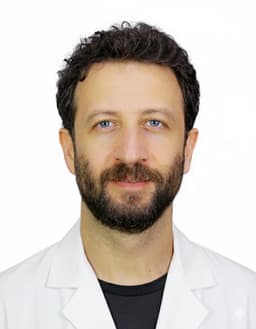
Dr. Kerem AL
Tıp Doktoru — Sağlık Bakanlığı sertifikalı akupunktur uygulayıcısı
Eğitim: Gazi Üniversitesi Tıp Fakültesi
Uzmanlık: Geleneksel Çin Tıbbı, Akupunktur, Elektroakupunktur
Uluslararası Eğitim: Çin-Nanjing Üniversitesi, Tayvan-Taipei Şehir Hastanesi, Japonya-Kyoto özel klinik
Dr. Kerem AL, İzmir/Urla merkezli tıp doktoru. Geleneksel Çin tıbbı tanı perspektifi ile modern nörofizyolojik ağrı modülasyon modellerini entegre eder. Klasik meridyen teorisi, segmental etki, spinal dorsal horn modülasyonu ve PAG (Periaqueductal Gray) aktivasyonu konularında uzman.